
Digital marketing has become one of the most effective ways for small businesses to reach customers, build brand awareness, and compete in a growing online marketplace. Whether you run a local shop, startup, service business, freelance business, or online store, having a strong digital presence can help you connect with potential customers more effectively.
Traditional marketing methods such as newspapers, flyers, banners, and television advertising can still be useful in certain situations. However, digital marketing provides businesses with more flexible, measurable, and targeted ways to promote their products and services.
For small businesses, this is particularly important because marketing budgets are often limited. Digital platforms allow businesses to choose their audience, control their spending, measure results, and improve campaigns based on performance.
From social media marketing and search engine optimization to email marketing, content marketing, and online advertising, digital marketing offers many opportunities for business growth.
In this article, we will explore 12 important benefits of digital marketing for small businesses and understand how each benefit can contribute to long-term success.
1. Helps Reach a Larger Audience
One of the biggest benefits of digital marketing for small businesses is the ability to reach a much larger audience.
A local business may traditionally depend on customers who live nearby. With digital marketing, that business can reach people across a city, state, country, or even different parts of the world.
Websites, search engines, social media platforms, email campaigns, and online advertising allow businesses to communicate with potential customers regardless of geographical boundaries.
For example, a small clothing business can use Instagram to showcase its products to customers outside its local area. An online advertising campaign can also target people based on their interests, location, age, and online behavior.
This wider reach gives small businesses an opportunity to grow beyond their physical location.
Digital marketing also allows businesses to choose whether they want to focus on a local audience or expand into new markets.
For a small business looking to grow, reaching the right audience online can create new opportunities for sales, leads, partnerships, and brand awareness.
2. Cost-Effective Marketing
Small businesses often have limited marketing budgets. Spending large amounts of money on television commercials, newspaper advertisements, billboards, or other traditional advertising methods may not always be practical.
Digital marketing can provide more affordable options.
Businesses can start with a small budget and gradually increase their investment as they understand what works. Social media platforms also allow businesses to create organic content without paying for every post.
For example, a small business can create educational videos, product demonstrations, customer stories, tips, or behind-the-scenes content and share them on social media.
Paid advertising can also be controlled according to the available budget. Businesses can set daily or campaign-level spending limits and monitor performance.
This makes digital marketing particularly useful for startups and small businesses that need to carefully manage their expenses.
Instead of spending money on marketing without knowing the outcome, businesses can analyze campaign performance and make informed decisions about where to invest.
3. Builds Brand Awareness
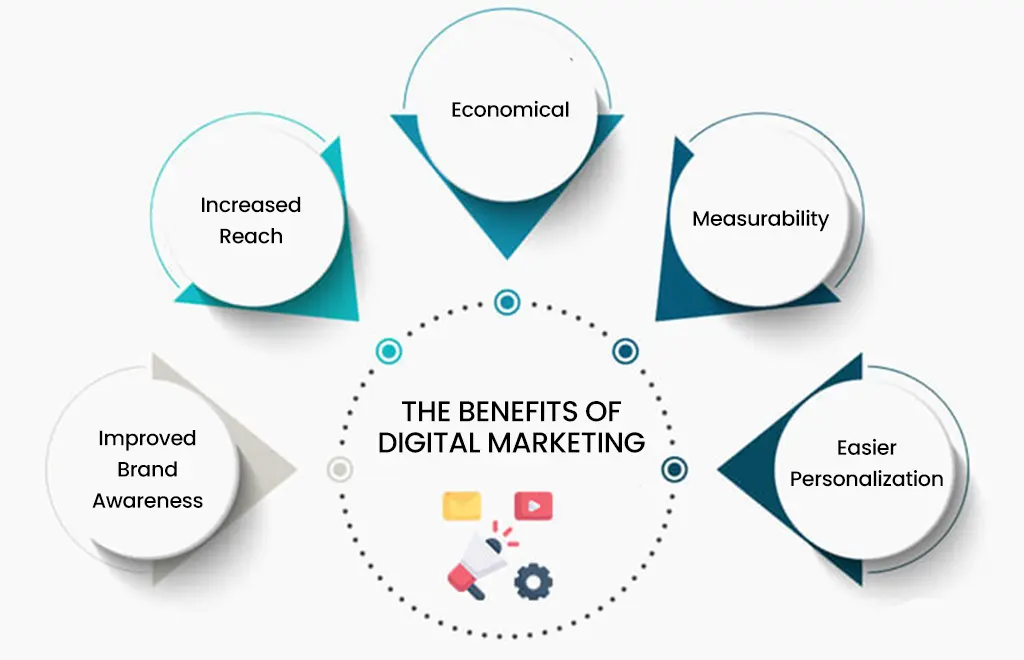
Brand awareness is essential for business growth. Customers are more likely to consider a business when they recognize and remember its brand.
Digital marketing provides many opportunities to consistently present a brand online.
A business can use its website, social media profiles, videos, blog articles, email newsletters, advertisements, and other digital channels to communicate its identity.
Consistent branding across these platforms can help customers become familiar with the business.
For example, a small graphic design agency can regularly publish design tips, portfolio projects, educational posts, and client success stories. Over time, people who repeatedly see this content may begin to recognize the agency.
Brand awareness does not always produce immediate sales. However, it helps create familiarity and trust, which can influence future purchasing decisions.
The more consistently a small business appears in relevant digital spaces, the greater the opportunity to remain in the minds of potential customers.
4. Helps Target the Right Customers
Another major benefit of digital marketing is precise audience targeting.
Traditional advertising can sometimes reach many people who may not be interested in the product or service. Digital marketing allows businesses to create campaigns for specific audiences.
Depending on the platform, businesses can target customers using factors such as location, interests, demographics, search behavior, and previous interactions with the business.
For example, a local fitness center can create an online advertising campaign targeting people within a specific area who are interested in fitness and health-related topics.
Similarly, an online store can use customer behavior to promote products that are relevant to different groups.
Targeted marketing helps businesses reduce wasted advertising spend and focus their efforts on people who are more likely to become customers.
Understanding the target audience is therefore an important part of a successful digital marketing strategy.
5. Improves Customer Engagement
Digital marketing is not only about promoting products and services. It also gives businesses an opportunity to communicate directly with customers.
Social media platforms allow customers to comment on posts, ask questions, send messages, leave reviews, and share content.
Businesses can respond to these interactions and build stronger relationships with their audience.
For example, a restaurant can ask followers about their favorite dishes, respond to customer questions, share customer-generated content, and announce special offers.
This type of interaction can make customers feel connected to the brand.
Customer engagement can also provide valuable information. Comments, reviews, messages, and questions can reveal what customers like, what problems they experience, and what they expect from the business.
Small businesses can use these insights to improve their products, services, and marketing strategies.
6. Increases Website Traffic
A professional website can act as the digital home of a business.
Digital marketing can help attract visitors to the website through search engines, social media, email marketing, online advertisements, and other channels.
Search engine optimization, commonly known as SEO, is particularly useful for generating organic website traffic.
For example, a small bakery could create useful articles about cake designs, birthday cake ideas, wedding cakes, or baking tips. People searching for these topics may discover the bakery through search engines.
Social media can also direct users to specific website pages.
More relevant website traffic can increase opportunities for generating leads, receiving inquiries, making sales, or building an email subscriber list.
However, traffic alone is not enough. Businesses should focus on attracting the right visitors and providing a useful website experience.
7. Generates More Leads and Sales Opportunities
Digital marketing can help small businesses generate new leads.
A lead is a person who has shown interest in a product or service and may become a customer in the future.
Businesses can generate leads through contact forms, landing pages, social media messages, email subscriptions, online advertisements, downloadable resources, and other methods.
For example, a digital marketing agency could offer a free marketing checklist through its website. Visitors can provide their email addresses to receive the checklist, creating an opportunity for the agency to communicate with them later.
Businesses can then nurture these leads by providing useful information, answering questions, and presenting relevant offers.
Digital marketing therefore supports the entire customer journey, from initial awareness to consideration and eventually purchase.
A well-planned strategy can help small businesses create a steady flow of potential customers.
8. Provides Measurable Results
One of the strongest advantages of digital marketing is that businesses can measure performance.
Traditional marketing can sometimes make it difficult to determine exactly how many people saw an advertisement or how many customers were influenced by it.
Digital marketing provides access to various performance indicators.
Businesses can track metrics such as:
- Website visitors
- Page views
- Social media engagement
- Video views
- Advertisement clicks
- Leads
- Conversion rates
- Email open rates
- Email clicks
- Online sales
These measurements help businesses understand what is working and what needs improvement.
For example, if a business runs two advertisements and one generates significantly more leads than the other, the business can analyze why the better-performing advertisement worked and use that information in future campaigns.
Data-driven decision-making can help small businesses use their limited resources more effectively.
9. Helps Compete With Larger Businesses
Small businesses often compete against companies with larger budgets, bigger teams, and greater brand recognition.
Digital marketing can help reduce some of this gap.
A small business can create high-quality content, optimize its website for search engines, build an engaged social media community, and provide excellent customer experiences without needing the same budget as a large corporation.
For example, a small local business can create useful educational content that ranks in search results for relevant local keywords.
A small brand can also build a strong community through social media by interacting directly with customers.
Creativity, consistency, customer service, and understanding the target audience can sometimes be more important than simply having a large advertising budget.
Digital platforms provide small businesses with opportunities to compete based on value and relevance.
10. Builds Customer Trust and Credibility
Trust plays an important role in purchasing decisions.
Customers often research a business online before deciding whether to purchase a product or service.
A professional website, active social media presence, positive reviews, informative content, and clear business information can help create credibility.
For example, a customer looking for a digital marketing agency may check its website, portfolio, social media profiles, client testimonials, and online content before making contact.
Publishing useful and honest content can also demonstrate knowledge and expertise.
Businesses can share:
- Educational articles
- Customer testimonials
- Case studies
- Product information
- Frequently asked questions
- Helpful videos
- Industry insights
- Behind-the-scenes content
These materials can help customers understand the business and make more confident decisions.
Trust is not created overnight. Consistent communication and positive customer experiences are important for building long-term credibility.
11. Allows Personalized Marketing
Customers increasingly expect businesses to provide relevant experiences.
Digital marketing makes personalization easier because businesses can use customer information and behavior to create more relevant communication.
For example, an online store can recommend products based on previous purchases or browsing behavior.
An email campaign can also be divided into different groups so customers receive content that is relevant to their interests.
Personalization can make marketing communication more useful and less generic.
Small businesses can start with simple personalization techniques, such as addressing customers by name in emails, recommending relevant products, sending location-based offers, or creating content for specific customer groups.
The goal is not simply to send more marketing messages. It is to send better and more relevant messages.
When customers receive information that matches their interests and needs, they may be more likely to engage with the business.
12. Supports Long-Term Business Growth
The final benefit of digital marketing is its ability to support long-term growth.
Digital marketing is not simply about running advertisements for a few days. Businesses can build digital assets that continue providing value over time.
A website, blog, social media audience, email list, online reviews, educational content, and search engine visibility can all contribute to long-term business development.
For example, a useful blog article may continue attracting visitors from search engines months or years after it is published.
A social media account with an engaged audience can provide an ongoing communication channel.
An email subscriber list can help a business maintain relationships with potential and existing customers.
By consistently improving these digital assets, businesses can create a strong online foundation.
Long-term success usually requires patience, testing, consistency, and continuous improvement.
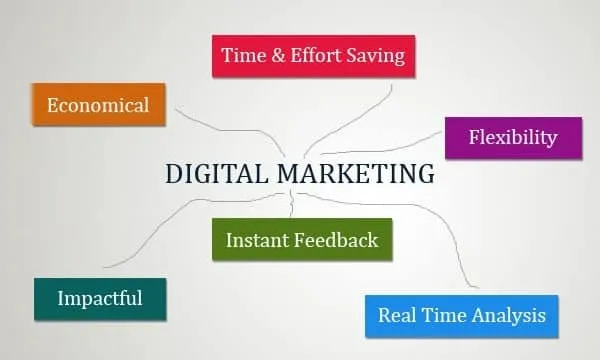
Digital marketing for small businesses can help entrepreneurs establish a strong online presence and reach customers more effectively. By using digital marketing for small businesses, companies can promote their products, share valuable content, and attract people who are interested in their services. A reliable digital marketing for small businesses strategy also helps improve search engine visibility, strengthen brand recognition, and increase customer engagement. With the right approach, digital marketing for small businesses can support lead generation, customer retention, and sustainable business growth.
How Digital Marketing Helps Small Businesses Grow
Digital marketing for small businesses is an effective way to reach customers and build a strong online presence. Today, digital marketing for small businesses helps entrepreneurs promote products, connect with audiences, and compete in the online marketplace. With digital marketing for small businesses, companies can improve brand awareness and attract potential customers.
One major advantage of digital marketing for small businesses is affordability. Business owners can promote their services through social media, websites, and email campaigns without spending large amounts of money. Digital marketing for small businesses also allows companies to control advertising budgets and measure campaign performance.
Search engine optimization is another important part of digital marketing for small businesses. By publishing helpful content and optimizing website pages, businesses can improve their visibility in search results. Digital marketing for small businesses can attract people who are actively searching for relevant products and services.
Social media marketing strengthens digital marketing for small businesses by helping brands communicate directly with their audiences. Companies can share updates, showcase products, answer questions, and encourage customer interaction. Through digital marketing for small businesses, brands can develop stronger customer relationships.
Content creation also supports digital marketing for small businesses. Blog articles, videos, graphics, and educational posts can provide valuable information to potential customers. Consistent digital marketing for small businesses helps companies demonstrate expertise and establish credibility.
Another benefit of digital marketing for small businesses is lead generation. Contact forms, landing pages, email subscriptions, and online advertisements can encourage interested customers to contact a company. Digital marketing for small businesses makes it easier to guide potential customers toward purchasing decisions.
Analytics can improve digital marketing for small businesses by showing which campaigns generate traffic, engagement, and sales. Business owners can review these results and adjust their strategies. Effective digital marketing for small businesses depends on continuous testing and improvement.
Local businesses can also benefit from digital marketing for small businesses through local SEO, customer reviews, and location-based promotions. These methods help nearby customers discover relevant services.
Email campaigns make digital marketing for small businesses useful for maintaining customer relationships. Businesses can share helpful updates, offers, and announcements with subscribers. Personalized digital marketing for small businesses can make communication more relevant.
Ultimately, digital marketing for small businesses supports long-term growth when businesses remain consistent and customer-focused. A clear digital marketing for small businesses strategy helps companies increase visibility, attract leads, and create new opportunities. By combining SEO, social media, content, and analytics, digital marketing for small businesses can become a valuable part of a company’s growth plan.
How Small Businesses Can Get Started With Digital Marketing
Starting digital marketing does not mean a business needs to use every platform immediately.
A better approach is to begin with a clear strategy.
Step 1: Identify Your Target Audience
Understand who your ideal customers are.
Consider their age, location, interests, needs, challenges, buying behavior, and preferences.
The more clearly you understand your audience, the easier it becomes to create relevant marketing content.
Step 2: Create a Professional Website
Your website should clearly explain what your business does and how customers can contact you.
Make sure the website works well on mobile devices and provides easy navigation.
Important pages may include Home, About, Services or Products, Contact, and Blog.
Step 3: Choose the Right Social Media Platforms
You do not necessarily need to be active on every social media platform.
Choose platforms where your target customers are most active.
For example, visual businesses may benefit from Instagram, while professional service businesses may find LinkedIn useful.
Step 4: Create Valuable Content
Content should provide value instead of constantly promoting products.
You can create educational articles, videos, tips, tutorials, case studies, customer stories, infographics, and social media posts.
Useful content can help attract and engage potential customers.
Step 5: Focus on SEO
Search engine optimization can help your website appear when people search for relevant topics, products, or services.
Research relevant keywords and naturally use them in website content, headings, page titles, descriptions, and blog articles.
Avoid keyword stuffing. Content should always be written primarily for people.
Step 6: Consider Paid Advertising
Once you understand your audience, paid advertising can help you reach potential customers more quickly.
Start with a manageable budget and monitor performance carefully.
Test different audiences, advertisements, messages, and landing pages.
Step 7: Measure Your Results
Review your marketing performance regularly.
Identify which channels generate traffic, engagement, leads, and sales.
Use this information to improve your future campaigns.
Digital marketing for small businesses is essential for companies that want to grow in today’s competitive online market. With digital marketing for small businesses, entrepreneurs can reach potential customers, improve website traffic, and build a strong brand identity. Effective digital marketing for small businesses also helps companies promote their services through search engines, social media platforms, and email campaigns. By implementing digital marketing for small businesses consistently, business owners can improve customer relationships, generate more leads, and create opportunities for long-term business success.
Why Digital Marketing for Small Businesses Matters
Digital marketing for small businesses provides affordable ways to reach potential customers and increase brand awareness. With the right strategy, digital marketing for small businesses can help companies promote their products, connect with their target audience, and generate quality leads. Investing in digital marketing for small businesses also allows business owners to measure results and improve their marketing campaigns.
Choosing the Right Digital Marketing Strategy
Choosing the right digital marketing for small businesses strategy starts with understanding customer needs and business goals. Small businesses can use SEO, social media marketing, content marketing, email campaigns, and online advertising to attract potential customers. Effective digital marketing for small businesses focuses on reaching the right audience with useful content and relevant offers.
How to Improve Business Growth Online
A successful digital marketing for small businesses plan includes consistent content creation, website optimization, and customer engagement. Businesses should monitor website traffic, leads, conversions, and advertising performance. By reviewing these results, digital marketing for small businesses can become more effective over time and support sustainable growth.
Final Tips for Business Owners
Business owners should choose marketing channels that match their audience and budget. Digital marketing for small businesses works best when companies publish helpful content, maintain an active online presence, and respond to customer feedback. With regular improvements, digital marketing for small businesses can support stronger customer relationships and long-term success.
Digital marketing for small businesses offers practical opportunities to reach new customers and build a recognizable brand. Effective digital marketing for small businesses includes search engine optimization, social media promotion, content creation, and email marketing. By choosing the right digital marketing for small businesses techniques, companies can improve their online visibility, attract qualified leads, and increase sales. A consistent digital marketing for small businesses plan also helps owners measure performance and make better marketing decisions.
Common Digital Marketing Mistakes Small Businesses Should Avoid
Although digital marketing offers many benefits, businesses can make mistakes if they do not have a clear strategy.
One common mistake is trying to use every platform at once. This can lead to inconsistent content and wasted effort.
Another mistake is focusing only on selling. Customers also want useful information, solutions, entertainment, and meaningful interactions.
Ignoring customer feedback is another problem. Reviews and comments can provide valuable insights into customer expectations.
Businesses should also avoid copying competitors without developing their own identity.
Finally, digital marketing requires patience. Some strategies, particularly SEO and content marketing, may take time to produce significant results.
Consistent effort and continuous improvement are more sustainable than expecting immediate results.
Why Digital Marketing Is Important for Small Businesses
Digital marketing has changed how businesses communicate with customers.
Customers can now search for businesses, compare products, read reviews, watch videos, visit websites, and communicate with brands before making purchasing decisions.
This means small businesses need to have a strong and trustworthy online presence.
Digital marketing can help businesses become more visible, connect with customers, generate leads, improve brand awareness, and support sales.
The most successful approach is not necessarily to spend the most money. It is to understand the audience, provide value, choose the right channels, and consistently measure and improve performance.
Frequently Asked Questions About Digital Marketing for Small Businesses
1. What is digital marketing for small businesses?
Digital marketing for small businesses means using online channels to promote products, services, and brands. These channels can include websites, search engines, social media, email marketing, content marketing, and online advertising.
2. Is digital marketing useful for small businesses?
Yes. Digital marketing can help small businesses reach potential customers, build brand awareness, generate leads, communicate with customers, and increase sales opportunities.
3. Is digital marketing expensive for small businesses?
Digital marketing can be more flexible than many traditional marketing methods. Businesses can start with a small budget and increase spending based on performance. Organic strategies such as SEO and social media content can also be used without paying for every piece of content.
4. Which digital marketing strategy is best for a small business?
There is no single strategy that works for every business. The best approach depends on the target audience, industry, goals, budget, and available resources. SEO, social media marketing, content marketing, email marketing, and paid advertising can all be useful.
5. How can social media help small businesses?
Social media can help businesses increase brand awareness, communicate with customers, showcase products and services, share content, collect feedback, and generate leads.
6. Why is SEO important for small businesses?
SEO can help a business appear in search engine results when potential customers search for relevant products, services, or information. This can increase organic website traffic and create opportunities for leads and sales.
7. How long does digital marketing take to show results?
The time required depends on the strategy. Paid advertising may generate results quickly, while SEO, content marketing, and organic social media growth can take longer. Consistency and continuous optimization are important.
8. Can a small business do digital marketing by itself?
Yes. Small businesses can handle some digital marketing activities internally, especially basic social media management and content creation. However, businesses may choose to work with a digital marketing professional or agency when they need specialized knowledge or more advanced strategies.
9. How can digital marketing generate leads?
Digital marketing can generate leads through websites, landing pages, social media campaigns, search engine optimization, online advertisements, email marketing, contact forms, and downloadable resources.
10. What is the role of content marketing in digital marketing?
Content marketing involves creating and sharing useful content to attract and engage a target audience. Blog posts, videos, guides, infographics, social media posts, and case studies are common forms of content marketing.
11. How can small businesses measure digital marketing success?
Businesses can measure success using metrics such as website traffic, engagement, leads, conversion rates, sales, advertisement clicks, email performance, and customer acquisition costs.
12. Does every small business need a website?
A website can be highly valuable because it provides a central place where customers can learn about the business, products, services, contact information, and other important details. The exact digital presence a business needs depends on its industry and goals.
13. Can digital marketing help local businesses?
Yes. Local businesses can use local SEO, social media, online reviews, location-based advertising, Google Business Profile, and local content to reach customers in their area.
14. What social media platform should a small business use?
The right platform depends on where the target audience spends time and what type of content the business creates. Businesses should focus on the platforms that are most relevant to their customers instead of trying to maintain every social media account.
15. What is the biggest advantage of digital marketing for small businesses?
One of the biggest advantages is the ability to reach and communicate with a specific target audience while measuring marketing performance. This allows small businesses to make better decisions and use their marketing resources more effectively.
Conclusion
Digital marketing provides small businesses with many opportunities to grow in today’s competitive online environment.
The 12 major benefits include reaching a larger audience, reducing marketing costs, building brand awareness, targeting the right customers, improving engagement, increasing website traffic, generating leads, measuring results, competing with larger businesses, building trust, personalizing marketing, and supporting long-term growth.
The key is not to use every digital marketing channel at once. Small businesses should identify their goals, understand their audience, select the right platforms, create valuable content, and measure their results regularly.
With a consistent strategy and a willingness to learn and improve, digital marketing can become an important part of a small business’s growth strategy.
Whether your goal is to attract local customers, build a recognizable brand, generate leads, increase online sales, or expand into new markets, digital marketing can provide the tools and opportunities needed to move your business forward.