
Digital Marketing Strategies
In today’s competitive business environment, having a strong online presence is no longer optional. Customers increasingly use search engines, social media, websites, online reviews, and digital content to discover businesses and decide where to spend their money.
For businesses of all sizes, digital marketing provides an opportunity to reach the right audience, build brand awareness, generate leads, and increase sales. However, digital marketing is constantly changing. Strategies that worked a few years ago may not deliver the same results today.
Whether you are a small local business, a growing company, or an established brand, the right combination of digital marketing techniques can help you build a stronger online presence.
Here are 10 powerful digital marketing strategies every business should consider in 2026.
1. Build a Professional and User-Friendly Website
Your website is often the first place potential customers visit after discovering your business. A professional website can help establish credibility, explain your services, showcase your products, and encourage visitors to contact you.
A good business website should be easy to navigate, mobile-friendly, fast-loading, and designed with clear calls to action. Visitors should quickly understand what your business offers and how they can contact you.
Your website should also contain useful and relevant information about your products or services. Important pages can include Home, About Us, Services, Portfolio, Blog, and Contact.
A well-designed website is not just an online brochure. It can become an important part of your lead-generation strategy.
2. Invest in Search Engine Optimization (SEO)
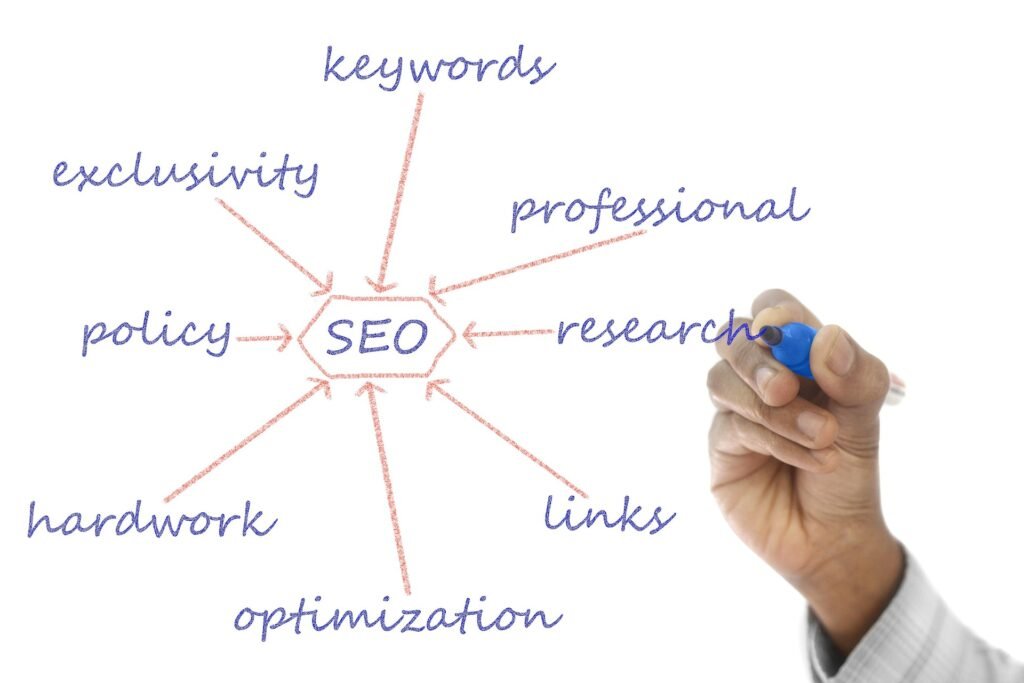
Search Engine Optimization, commonly known as SEO, helps your website become more visible when people search for products, services, or information related to your business.
For example, if someone searches for “digital marketing agency near me,” businesses with strong local SEO strategies have a better opportunity to appear in relevant search results.
SEO involves several activities, including keyword research, on-page optimization, technical improvements, quality content creation, internal linking, and building online authority.
Businesses should focus on creating useful content that answers the questions their potential customers are actually searching for.
SEO usually requires consistency and patience. Instead of focusing only on quick results, businesses should build a long-term search strategy that can continue attracting relevant visitors over time.
3. Strengthen Your Social Media Presence
Social media gives businesses a direct way to communicate with their audience. Platforms such as Instagram, Facebook, LinkedIn, and YouTube can be used to share valuable information, promote products and services, showcase customer experiences, and build brand awareness.
However, successful social media marketing is about more than simply posting promotional content.
Businesses should create a mixture of educational, entertaining, informative, and promotional content. Behind-the-scenes posts, tips, videos, customer stories, industry insights, and frequently asked questions can all help create meaningful engagement.
The most suitable platform depends on your target audience and business type. Instead of trying to be active everywhere, focus on the platforms where your potential customers are most likely to spend their time.
Consistent posting, attractive visuals, relevant hashtags, and responding to comments and messages can help businesses build stronger relationships with their audiences.
4. Create Valuable Content
Content marketing is another important part of a successful digital marketing strategy.
Potential customers often search online before making purchasing decisions. They may want to understand a problem, compare different solutions, research products, or learn more about a particular service.
Creating useful content allows your business to answer these questions while demonstrating your knowledge.
You can create blog posts, videos, guides, infographics, case studies, FAQs, social media posts, and other educational resources.
For example, a digital marketing agency could publish articles about SEO, social media marketing, Google Ads, content marketing, website optimization, and lead generation.
High-quality content can support SEO, attract visitors, build trust, and provide material that can be shared across social media and other marketing channels.
5. Use Pay-Per-Click Advertising
Pay-per-click advertising, or PPC, allows businesses to promote their products or services through paid online advertisements.
Platforms such as Google Ads can help businesses reach people who are actively searching for specific products or services. Social media advertising can also help businesses reach audiences based on factors such as interests, demographics, and online behavior.
One advantage of paid advertising is that businesses can start generating traffic without waiting for organic rankings to develop.
However, effective PPC requires careful planning. Businesses need to select relevant keywords or audiences, create compelling advertisements, develop suitable landing pages, and monitor campaign performance.
Regular testing and optimization can help businesses make better use of their advertising budgets.
Before launching a campaign, define your objective. Decide whether you want website traffic, phone calls, enquiries, leads, or purchases. This makes it easier to measure whether your advertising is delivering useful results.

6. Focus on Local SEO
For businesses that serve customers in a specific city or geographic area, local SEO can be particularly valuable.
Local SEO helps businesses improve their visibility for location-based searches. A potential customer might search for “best salon near me,” “digital marketing agency in Hyderabad,” or “plumber near me.”
Businesses should maintain accurate information across their online profiles and ensure that important details such as business name, address, phone number, website, and opening hours are consistent.
Customer reviews can also play an important role in building online trust. Businesses should encourage genuine customers to share their experiences and respond professionally to reviews.
Creating useful location-specific website content and maintaining an accurate Google Business Profile can further support local visibility.
A strong local presence can help businesses connect with people who are already looking for their products or services.
7. Use Email Marketing to Build Relationships
Email marketing remains a useful way for businesses to communicate directly with existing and potential customers.
Businesses can use email to share newsletters, product updates, special offers, educational content, company news, and useful resources.
The key is to provide value rather than sending messages only when you want to make a sale.
Businesses can also segment their audiences and create different campaigns based on customer interests or actions. For example, new subscribers might receive an introductory email series, while existing customers could receive product updates or helpful recommendations.
Personalized subject lines, useful information, and clear calls to action can improve the customer experience.
Always obtain appropriate permission before sending marketing emails and provide an easy way for recipients to unsubscribe.
A consistent email strategy can help businesses stay connected with their audience and encourage repeat engagement.
8. Optimize Your Website for Mobile Users
A large number of people access websites using smartphones. This makes mobile optimization an important part of digital marketing.
A website that is difficult to use on a small screen can cause visitors to leave quickly. Businesses should make sure that their website adapts properly to different screen sizes and provides a smooth user experience.
Important elements include readable text, easy navigation, mobile-friendly buttons, fast loading times, and simple contact forms.
Mobile optimization is not only about appearance. It is also about making it easy for visitors to find information and take action.
For example, a customer visiting a service website on a smartphone should be able to call the business, send an enquiry, or find the required information without difficulty.
Before launching or updating a website, test it across different devices and browsers. Regularly review loading speed, broken links, and usability issues to provide a better experience.
9. Use Analytics to Measure Performance
Digital marketing provides businesses with access to valuable performance data.
Instead of guessing whether a marketing campaign is working, businesses can use analytics to understand how people interact with their websites, advertisements, social media content, and other marketing channels.
Important metrics can include website traffic, leads, conversion rates, engagement, advertising costs, and customer acquisition results.
The right metrics depend on your business objectives. For example, a company focused on lead generation may pay close attention to qualified enquiries and conversion rates, while an e-commerce business may focus more heavily on purchases and revenue.
Tools such as Google Analytics and Google Search Console can help businesses understand website performance, visitor behavior, search visibility, and opportunities for improvement.
Regularly reviewing performance data allows businesses to identify what is working and where improvements may be needed.
Instead of relying only on likes and views, focus on metrics that connect to your business goals. Use the information to improve your content, advertising campaigns, website, and overall marketing strategy.
10. Explore AI and Marketing Automation
Artificial intelligence is becoming an increasingly important part of digital marketing.
Businesses can use AI-powered tools to support activities such as content research, brainstorming, customer communication, data analysis, personalization, and marketing workflow automation.
Automation can also help businesses save time on repetitive tasks. For example, businesses can automate email sequences, lead follow-ups, appointment reminders, and certain customer communications.
AI tools can help marketers generate content ideas, organize information, analyze campaign performance, and develop initial drafts. However, technology should support your marketing strategy rather than replace human understanding and creativity.
Businesses should review AI-generated content carefully, maintain their brand voice, verify important information, and make sure that customer communication remains useful and authentic.
The best approach is to combine technology with human creativity, industry knowledge, and a clear understanding of customer needs.
By using AI responsibly, businesses can improve productivity and spend more time on planning, customer relationships, and strategic decisions.
Additional Tips for Successful Digital Marketing
Choosing the right strategies is only the beginning. Businesses should also focus on consistent execution and regular improvement.
Here are some additional tips:
- Understand your target audience: Identify your customers’ needs, interests, challenges, and purchasing behavior.
- Set clear goals: Decide whether you want more website visitors, enquiries, sales, or brand awareness.
- Create a content calendar: Plan your blog articles, social media posts, videos, and promotional campaigns in advance.
- Maintain brand consistency: Use consistent messaging, visuals, and tone across your website and marketing channels.
- Monitor your competitors: Study their content, online presence, and marketing approaches to identify opportunities for differentiation.
- Track your results: Review your performance regularly and adjust your strategy according to the data.
- Focus on customer experience: Make it easy for people to find information, contact your business, and receive support.
You do not need to implement every strategy at once. Start with the methods that best match your audience, budget, and business objectives, and expand as you learn what works.
Table of Contents
Digital Marketing Strategies are essential for businesses that want to grow online, attract new customers, and build a strong brand presence in 2026. Effective Digital Marketing Strategies help businesses improve search engine rankings, increase social media engagement, and generate quality leads. By combining SEO, content marketing, social media marketing, email campaigns, and paid advertising, businesses can reach their target audience more effectively.
The best Digital Marketing Strategies focus on understanding customer needs, creating valuable content, and measuring campaign performance. Small businesses can also use affordable Digital Marketing Strategies to compete in the online marketplace. Choosing the right Digital Marketing Strategies depends on business goals, budget, and target audience. With consistent effort and regular optimization, Digital Marketing Strategies can improve online visibility, strengthen customer relationships, and support long-term business growth.
Digital Marketing Strategies help businesses build a strong online presence, attract potential customers, and increase brand awareness in 2026. Businesses can improve their results through SEO, social media marketing, content creation, email campaigns, and paid advertising. Choosing the right approach depends on your target audience, budget, and business goals. Regularly monitoring campaign performance helps identify opportunities for improvement. With valuable content, consistent communication, and proper planning, businesses can reach more customers and achieve sustainable online growth.
Digital Marketing Strategies are essential for businesses that want to grow online in 2026. Effective Digital Marketing Strategies help companies attract customers, increase brand awareness, and generate quality leads. Businesses can use Digital Marketing Strategies such as SEO, social media marketing, content creation, and email campaigns to reach their target audience.
Choosing the right Digital Marketing Strategies depends on business goals, customer needs, and available budgets. Small businesses can benefit from affordable Digital Marketing Strategies that improve online visibility. Modern Digital Marketing Strategies also include paid advertising and marketing automation. Successful Digital Marketing Strategies require consistent planning and regular performance tracking. Businesses should evaluate their Digital Marketing Strategies to identify opportunities for improvement.
Creative Digital Marketing Strategies can help brands connect with potential customers. Well-planned Digital Marketing Strategies support long-term growth. Companies can improve their Digital Marketing Strategies by studying customer behavior. Effective Digital Marketing Strategies focus on valuable content and meaningful engagement. The best Digital Marketing Strategies combine creativity with data analysis. Businesses should update their Digital Marketing Strategies as market trends change. Affordable Digital Marketing Strategies allow smaller companies to compete online. Measuring results helps improve Digital Marketing Strategies over time. Consistent Digital Marketing Strategies can build trust, increase conversions, and support sustainable business success.
Conclusion
Digital marketing has become an essential part of modern business growth. Businesses of all sizes can use online platforms to reach customers, build brand awareness, generate leads, and increase sales.
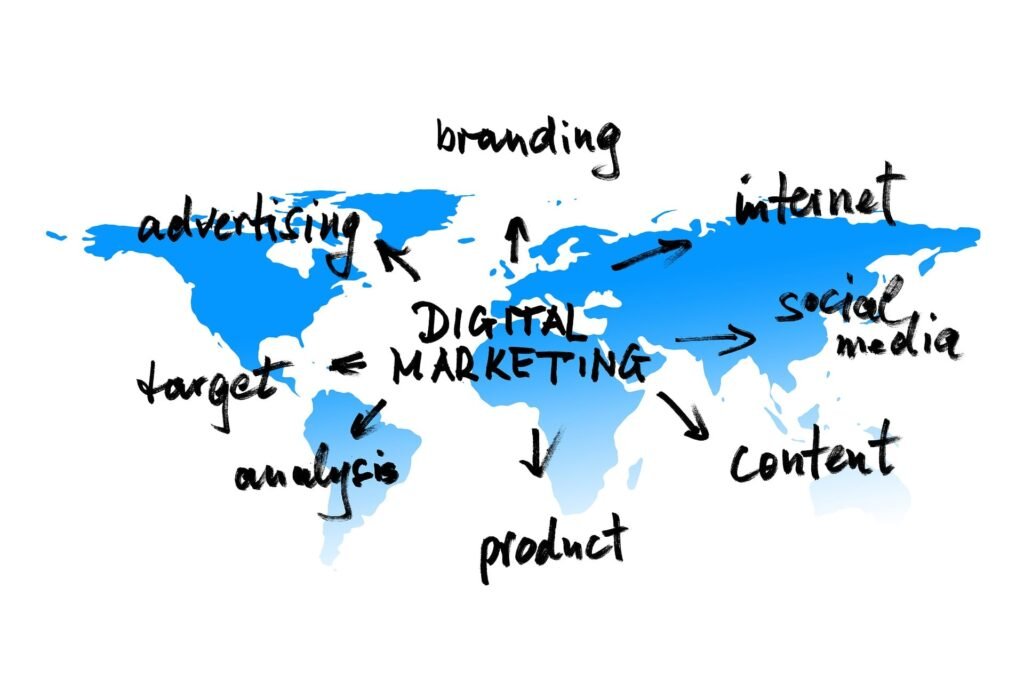
The 10 digital marketing strategies discussed in this article include website optimization, SEO, social media marketing, content creation, PPC advertising, local SEO, email marketing, mobile optimization, analytics, and AI-powered automation.
Each strategy serves a different purpose, but they can work together to create a stronger online presence. For example, SEO can attract visitors to your website, valuable content can build trust, social media can increase engagement, and email marketing can help maintain customer relationships.
The most effective approach is to understand your target audience, set realistic goals, measure performance, and improve your campaigns consistently.
Start with a few practical digital marketing strategies, learn from your results, and gradually build a plan that supports your business goals in 2026 and beyond.
Frequently Asked Questions (FAQs)
1. What are digital marketing strategies ?
Digital marketing strategies are planned methods businesses use to promote their products or services online. They include SEO, social media marketing, content marketing, email marketing, paid advertising, and website optimization.
2. Why are digital marketing strategies important for businesses in 2026 ?
Digital marketing strategies help businesses reach their target audiences, improve online visibility, build brand awareness, generate leads, and increase sales. They also allow businesses to measure campaign performance and improve their marketing decisions.
3. Which digital marketing strategy is best for beginners ?
SEO, social media marketing, and content marketing are useful starting points for beginners. The best choice depends on your business goals, target audience, available time, and budget.
4. Can I do digital marketing without spending money ?
Yes. You can begin with organic social media posts, useful blog content, basic SEO improvements, and free analytics tools. However, some activities may require investment as your business grows.
5. How long does digital marketing take to show results ?
The time required depends on the strategy, competition, budget, and quality of execution. Paid advertising may generate traffic quickly, while SEO and organic content marketing generally require consistent effort over time.
6. Is SEO better than social media marketing ?
Neither is always better. SEO helps attract people searching for relevant information or services, while social media marketing helps businesses build awareness, engage audiences, and distribute content. Using both can support a balanced marketing strategy.