
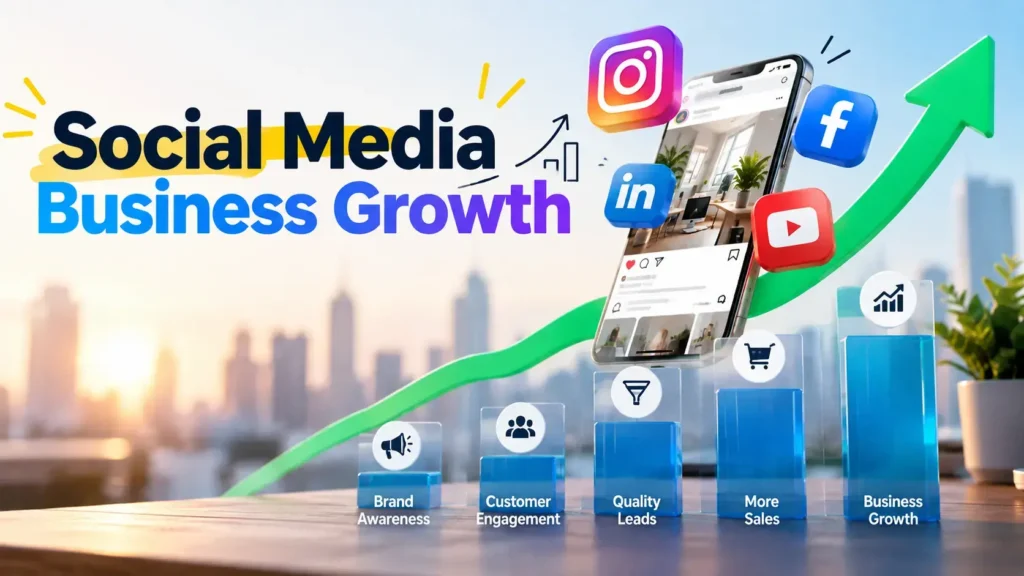
Why Social Media Marketing Is Important for Business Growth
In today’s digital world, having a strong online presence is essential for businesses of all sizes. Customers are spending more time online, discovering new brands, researching products and services, and communicating with businesses through social media platforms. This makes social media marketing an important part of a modern digital marketing strategy.
Social media marketing helps businesses connect with their target audience, increase brand awareness, build relationships, generate leads, and support long-term growth. Whether you are a small local business, a growing startup, or an established company, using social media effectively can help you reach potential customers and strengthen your brand.
At Excel Digital Agency, we understand that every business has different goals and audiences. A successful social media strategy is not simply about posting content regularly. It involves understanding your audience, creating useful content, building engagement, analyzing performance, and continuously improving your strategy.
In this article, we will explore why social media marketing is important for business growth and how businesses can use it effectively.
What Is Social Media Marketing ?
Social media marketing is the process of using social media platforms to promote a business, communicate with customers, build brand awareness, and achieve marketing goals.
Platforms such as Instagram, Facebook, LinkedIn, YouTube, and other social networks allow businesses to share content and communicate directly with their audiences.
Social media marketing can include:
- Creating and publishing social media posts
- Sharing videos, images, and educational content
- Running paid social media advertising campaigns
- Responding to comments and messages
- Building online communities
- Promoting products and services
- Generating leads
- Monitoring social media performance
- Collaborating with influencers and creators
The goal is not simply to gain followers. The real objective is to create meaningful connections with potential and existing customers and support measurable business results.

1. Increases Brand Awareness
One of the biggest advantages of social media marketing is its ability to increase brand awareness.
People may not purchase from a business the first time they discover it. Before making a decision, they may visit the company’s website, check its social media profiles, read reviews, and look at its content.
Consistent social media activity helps keep your business visible.
For example, a business can use social media to share:
- Company updates
- Product information
- Customer testimonials
- Educational tips
- Behind-the-scenes content
- Industry insights
- Special offers
When customers repeatedly see valuable and relevant content from your business, they can become more familiar with your brand.
2. Helps You Reach Your Target Audience
Traditional marketing can sometimes make it difficult to reach a specific audience. Social media platforms provide businesses with opportunities to target audiences based on factors such as interests, location, demographics, and online behavior.
This can be particularly useful for businesses that have a clearly defined customer profile.
For example, a local business may focus its marketing efforts on people in a particular geographical area, while an online business may target customers across multiple regions.
Understanding your target audience is essential. Before creating a social media campaign, businesses should identify who they want to reach, what problems their customers have, and what type of content those customers find useful.
3. Builds Stronger Customer Relationships
Social media is not only a promotional channel. It is also a communication platform.
Customers can ask questions, leave comments, send messages, and share their experiences with a business. Responding to customers professionally and promptly can help create stronger relationships.
Businesses can use social media to:
- Answer customer questions
- Respond to comments
- Address concerns
- Collect feedback
- Share helpful information
- Thank customers for their support
When customers feel that a business listens to them, it can contribute to a stronger relationship with the brand.
4. Generates Leads and Potential Customers
Social media can also support lead generation.
Businesses can use posts, videos, advertisements, landing pages, lead forms, and direct messages to encourage interested users to take the next step.
For example, a digital marketing agency could offer a free consultation and direct interested users to a contact form. A real estate company could promote available properties and encourage potential buyers to request more information.
The key is to provide a clear reason for people to take action.
Effective calls to action can include:
- Contact us today
- Request a consultation
- Learn more
- Get a free quote
- Visit our website
- Download the guide
- Send us a message
Social media becomes more valuable when engagement can be connected to meaningful business actions.
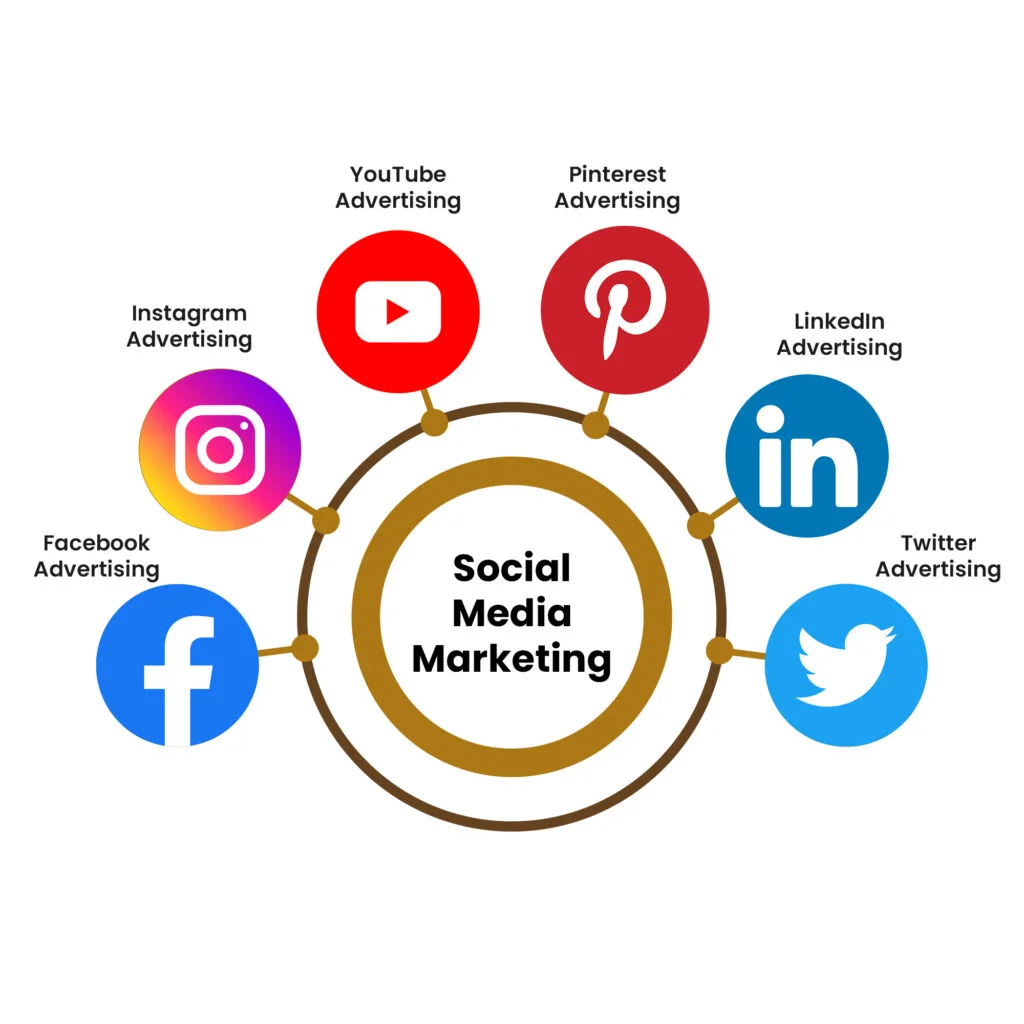
Table of Contents
5. Drives Traffic to Your Website
Your social media profiles can also become an important source of website traffic.
Businesses can share links to:
- Blog articles
- Service pages
- Product pages
- Landing pages
- Case studies
- Contact pages
For example, Excel Digital Agency can publish an educational article about SEO and share it through social media. Someone interested in improving their website’s search visibility may click the post and visit the website to learn more.
This creates an opportunity to turn social media visitors into website visitors and potentially into leads or customers.
6. Supports Content Marketing
Content is a major part of digital marketing, and social media provides businesses with a platform to distribute that content.
A single piece of content can often be adapted into multiple formats.
For example, a blog article can become:
- An Instagram carousel
- A short video
- A LinkedIn post
- A Facebook post
- A series of social media tips
- A short educational video
This allows businesses to make better use of their content while reaching audiences through different formats.
Useful content should focus on helping the audience rather than constantly promoting a product or service.
7. Helps Build Trust and Credibility
Customers want to know that they are dealing with a reliable business.
A professional and active social media presence can help communicate credibility.
Businesses can demonstrate their expertise by sharing:
- Industry knowledge
- Helpful tips
- Customer success stories
- Reviews and testimonials
- Frequently asked questions
- Educational videos
- Project results
- Company achievements
Authentic content can help potential customers understand what your business offers and why they should consider contacting you.
8. Provides Valuable Customer Insights
Social media can also provide useful information about your audience.
Businesses can monitor which posts receive the most engagement, what questions customers ask, and which topics generate interest.
This information can help businesses understand:
- Customer interests
- Common problems
- Content preferences
- Frequently asked questions
- Audience engagement patterns
These insights can be used to improve future marketing campaigns and content strategies.
9. Gives Small Businesses an Opportunity to Compete Online
Social media can be particularly useful for small businesses.
A small company may not have the same resources as a large corporation, but it can still create useful content, engage with customers, showcase its products or services, and build a recognizable online presence.
A focused strategy can help a small business communicate its unique value and connect with a specific audience.
The goal should not necessarily be to compete with every business online. Instead, businesses should focus on reaching the right customers with relevant content.
10. Supports Paid Advertising
Organic social media content is only one part of social media marketing. Businesses can also use paid advertising to reach specific audiences.
Social media advertising can help businesses promote:
- Products
- Services
- Events
- Offers
- Website pages
- Lead-generation campaigns
- New launches
Paid campaigns should be planned carefully. Businesses need to define their objectives, target audience, budget, creative content, and measurement methods before launching campaigns.
Regularly reviewing campaign performance can help identify what is working and where improvements are needed.
How to Create an Effective Social Media Marketing Strategy
Posting randomly is unlikely to produce consistent results. Businesses should develop a clear strategy.
Step 1: Define Your Goals
Start by identifying what you want to achieve.
Your goals could include:
- Increasing brand awareness
- Generating leads
- Increasing website traffic
- Improving engagement
- Promoting products or services
- Building an online community
Step 2: Understand Your Audience
Identify your ideal customers and understand their needs, interests, and challenges.
The better you understand your audience, the easier it becomes to create relevant content.
Step 3: Choose the Right Platforms
You do not necessarily need to be active on every social media platform.
Choose platforms where your target audience is most likely to spend time and where your business can consistently create valuable content.
Step 4: Create Valuable Content
Focus on content that educates, informs, entertains, or helps your audience.
A balanced content strategy can include educational posts, videos, company updates, customer stories, promotional content, and industry insights.
Step 5: Monitor Your Results
Track relevant metrics such as:
- Reach
- Engagement
- Website visits
- Leads
- Clicks
- Video views
- Conversions
Social Media Marketing: A Powerful Way to Grow Your Business
Social Media Marketing is an effective way for businesses to connect with their target audience, increase brand awareness, and promote their products or services online. Platforms such as Instagram, Facebook, LinkedIn, and YouTube allow businesses to reach potential customers, share valuable content, and build lasting relationships.
A successful Social Media Marketing strategy begins with understanding your audience, their interests, and their needs. Businesses should create engaging content, including images, videos, reels, educational posts, and customer testimonials. Consistent posting helps maintain an active online presence and keeps audiences interested in the brand.
Another important part of Social Media Marketing is audience engagement. Responding to comments, answering messages, and participating in relevant conversations can build trust and encourage customer loyalty. Businesses can also use social media advertising to reach specific audiences based on their interests, location, and demographics.
Content planning plays an important role in achieving better results. Creating a content calendar helps businesses organize their posts, maintain consistency, and promote important updates. Using attractive visuals, clear captions, and relevant hashtags can also improve content discoverability.
Social Media Marketing provides useful insights into audience behavior and campaign performance. Businesses can monitor reach, impressions, engagement, website visits, and conversions to understand which content performs best. Analyzing these results helps marketers improve their strategies and make informed decisions.
Small businesses can benefit from Social Media Marketing because they can begin with organic content and gradually invest in paid campaigns as their budgets grow. Sharing useful information, showcasing products, and highlighting customer experiences can help smaller brands compete in the digital marketplace.
In conclusion, Social Media Marketing is an important component of modern digital marketing. With creative content, consistent communication, targeted advertising, and regular performance analysis, businesses can strengthen their online presence, attract potential customers, generate leads, and achieve sustainable growth.
Another advantage of Social Media Marketing is that it helps businesses understand customer preferences and market trends. By observing comments, shares, messages, and audience reactions, companies can learn what their customers enjoy and what improvements they expect. This information can guide future content creation and promotional activities.
Influencer collaborations are also useful for expanding brand reach. Businesses can work with relevant creators who share similar interests with their target audience. Authentic recommendations and product demonstrations can introduce a brand to new potential customers and help build credibility.
Video content has become an important part of online promotion. Short videos, tutorials, product demonstrations, behind-the-scenes clips, and customer success stories can capture attention and communicate information quickly. Businesses should experiment with different content formats to discover what works best for their audience.
Social Media Marketing can also support website traffic and lead generation. Adding clear calls to action, sharing useful website links, and promoting relevant offers can encourage interested users to take the next step. However, businesses should focus on providing value rather than publishing promotional messages constantly.
To achieve sustainable results, companies need patience, creativity, and consistency. They should establish clear objectives, choose suitable platforms, maintain a recognizable brand identity, and review performance regularly. By adapting to changing audience interests and platform features, businesses can develop stronger relationships with customers and create more opportunities for long-term growth.
Social Media Marketing (SMM) is a digital marketing strategy that involves using social media platforms to promote products, services, brands, and businesses. It helps organizations connect with their target audience, increase brand awareness, attract potential customers, and improve sales. Popular social media platforms used for marketing include Facebook, Instagram, YouTube, LinkedIn, X (formerly Twitter), and Pinterest.
In today’s digital world, social media marketing has become an essential part of business because millions of people use these platforms daily to communicate, share information, and discover products. The main objectives of social media marketing are to increase brand visibility, engage customers, drive traffic to websites, generate leads, improve customer relationships, and increase revenue. Businesses use different marketing techniques, such as creating engaging content, posting images and videos, sharing reels, conducting live sessions, organizing contests, and collaborating with influencers. Content marketing plays an important role because useful, informative, and entertaining content attracts audience attention and encourages interaction.
Paid social media advertising is another important technique that allows businesses to reach specific audiences based on their age, location, interests, and other characteristics. Influencer marketing helps brands promote their products through content creators who have established relationships with their followers. Each social media platform serves different marketing purposes. Instagram is popular for visual content, reels, and influencer collaborations, while Facebook supports community building and targeted advertising.
YouTube is effective for video marketing, tutorials, and product demonstrations. LinkedIn is widely used for professional networking and business-to-business marketing, whereas X is useful for real-time communication and updates. An effective social media marketing strategy begins with identifying the target audience and setting clear marketing objectives. Businesses must select suitable platforms, develop a content calendar, publish posts consistently, and interact with followers through comments and messages.
They should also monitor audience responses and analyze performance using metrics such as reach, impressions, engagement rate, website clicks, conversions, and return on investment. These measurements help marketers understand which strategies are successful and make necessary improvements. Social media marketing offers several advantages, including cost-effectiveness, wider audience reach, direct customer communication, increased website traffic, and measurable results.
It also enables businesses to understand customer preferences, collect feedback, build brand loyalty, and compete effectively in the marketplace. Small businesses can particularly benefit from social media because they can promote their products without requiring a large advertising budget. However, social media marketing also faces challenges, such as intense competition, changing platform algorithms, negative feedback, privacy concerns, and the continuous need to produce fresh and relevant content.
Businesses must maintain transparency, respond professionally to customer concerns, and adapt to changing trends. In conclusion, social media marketing is a powerful tool for modern businesses because it combines communication, promotion, customer engagement, and performance measurement. With proper planning, creative content, consistent interaction, and regular analysis, organizations can strengthen their online presence, attract new customers, improve customer relationships, and achieve sustainable business growth.
Frequently Asked Questions
1. What is social media marketing, and how does it help business growth ?
Social media marketing is the process of promoting products and services through platforms such as Instagram, Facebook, LinkedIn, and YouTube. It helps businesses increase brand awareness, engage with customers, generate leads, drive website traffic, and improve sales.
2. Why is social media marketing important for small businesses ?
Social media marketing helps small businesses reach potential customers without requiring a large advertising budget. By sharing valuable content, showcasing products, responding to customer queries, and building an online presence, small businesses can attract customers and compete effectively in the digital marketplace.
3. Which social media platforms are best for business marketing ?
The best platform depends on the business type and target audience. Instagram and Facebook are useful for consumer brands and local businesses, LinkedIn is effective for B2B marketing and professional services, and YouTube is suitable for video content, tutorials, and product demonstrations.
4. How can social media marketing generate leads and increase sales ?
Businesses can generate leads and increase sales by publishing engaging content, running targeted advertisements, collaborating with influencers, sharing special offers, and using clear calls to action. Direct messages, lead forms, and website links can help convert interested users into potential customers.
5. How can businesses measure the success of social media marketing ?
Businesses can measure success by tracking metrics such as reach, impressions, engagement rate, website traffic, leads, conversions, and return on investment (ROI). Regularly analyzing these metrics helps identify effective campaigns, understand customer preferences, and improve future marketing strategies.