
Social media marketing has become one of the most effective ways for businesses to connect with customers, promote their products and services, and build a strong online presence. With billions of people using social media platforms every day, businesses have an enormous opportunity to reach their target audience and develop meaningful relationships with potential customers.
However, simply creating a social media account and posting occasionally is not enough. Businesses need to understand how social media works and use the right techniques to achieve their marketing goals.
A successful social media marketing strategy combines creativity, consistency, audience understanding, valuable content, engagement, and performance measurement. Whether you are running a small business, launching a startup, or managing an established company, using the right techniques can help you improve your visibility and attract more customers.
Here are six powerful techniques of social media marketing that businesses can use to strengthen their online presence and support business growth.
1. Know Your Target Audience
The first and most important technique in social media marketing is understanding your target audience.
Every business has a specific group of people who are most likely to purchase its products or services. Understanding these people allows you to create content that is relevant to their interests, needs, and problems.
Start by identifying important characteristics of your ideal customers. These may include age, location, occupation, interests, lifestyle, purchasing behavior, and online habits.
For example, a business selling professional courses may target college students and working professionals. A fashion brand may focus on younger consumers interested in clothing and lifestyle trends. A B2B software company may target business owners, managers, and professionals.
Once you understand your audience, you can create content specifically for them.
You should also consider the problems your customers face. Ask yourself what questions they have, what information they need, and what motivates them to purchase.
Instead of simply promoting a product, create content that helps solve their problems.
For example, a digital marketing company could share tips about improving online visibility. A fitness business could provide workout advice. A restaurant could share food recommendations or cooking tips.
When your content is useful and relevant, people are more likely to follow your account, engage with your posts, and remember your brand.
2. Create High-Quality and Valuable Content
Content is at the center of social media marketing.
Businesses should focus on creating content that provides value rather than constantly promoting products.
People use social media for many reasons. They want to learn, discover new ideas, communicate with others, find entertainment, and stay informed.
Your content should therefore provide something useful to your audience.
There are many types of content that businesses can create, including educational posts, short videos, images, infographics, customer stories, tutorials, behind-the-scenes content, industry updates, and promotional posts.
A good content strategy should contain a mixture of different content types.
For example, a business could follow a simple approach where some posts educate the audience, some entertain them, some build trust, and others promote products or services.
Storytelling can also make content more effective.
Instead of simply saying that your company provides high-quality products, explain the story behind your products. Show how they are created, introduce the people behind the business, or share customer experiences.
Visual content is also important because people often scroll quickly through social media feeds. Attractive images and engaging videos can help capture attention.
However, quality does not necessarily mean expensive production.
A smartphone, good lighting, clear audio, and a useful idea can be enough to create effective content.
The most important question to ask before publishing anything is:
“Does this content provide something useful or interesting to my audience?”
If the answer is yes, the content has a stronger chance of creating engagement.
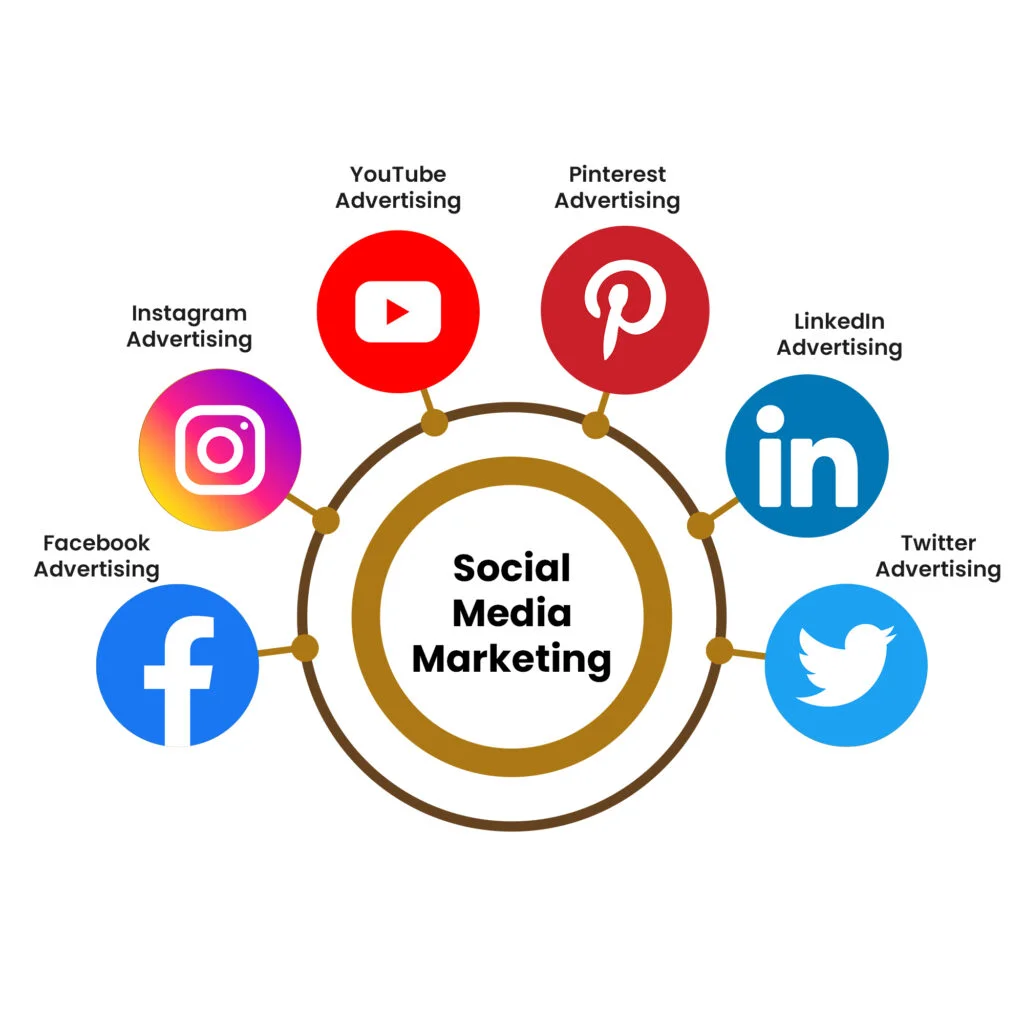
Table of Contents
3. Choose the Right Social Media Platforms
Another important technique is choosing the right social media platforms.
Businesses do not necessarily need to be active on every platform. Trying to manage too many platforms at once can reduce content quality and consistency.
Instead, identify the platforms where your target audience is most active.
Different platforms are suitable for different types of businesses and content.
Instagram can be useful for brands that depend heavily on visual content, such as fashion, food, travel, beauty, lifestyle, and creative businesses.
YouTube can be effective for educational videos, tutorials, demonstrations, reviews, entertainment, and long-form content.
LinkedIn can be valuable for professional services, B2B businesses, recruitment, networking, and industry thought leadership.
Facebook can be useful for communities, local businesses, groups, customer communication, and a broad range of audiences.
The goal is not to be everywhere.
The goal is to be effective where your customers are.
After selecting the appropriate platforms, learn how people use them. Each platform has different content formats and audience expectations.
Instead of posting exactly the same content everywhere, adapt your content to each platform.
For example, a detailed educational article could be converted into a short video for one platform, an infographic for another, and a professional discussion post for another.
This approach allows businesses to make better use of their content while maintaining platform relevance.
4. Build Strong Customer Engagement
Social media is not just a place to publish content. It is also a place to communicate with customers.
Businesses should actively engage with their followers by responding to comments, answering questions, replying to messages, and encouraging discussions.
When customers comment on your posts, try to respond whenever appropriate.
Even a simple response can show that the business values its audience.
Businesses can also encourage engagement by asking questions.
For example:
“What is your biggest challenge with social media marketing?”
“Which product would you like us to introduce next?”
“Which design do you prefer?”
“Have you tried this strategy before?”
Questions give followers an opportunity to share their opinions.
Polls, quizzes, surveys, contests, and other interactive content can also increase participation.
Engagement provides another important benefit: customer insights.
Comments and messages can reveal what customers like, what they dislike, what they need, and what problems they are experiencing.
Businesses can use this information to improve their products, services, and marketing strategies.
Engagement can also help create a sense of community.
When customers feel that a brand listens to them and responds to them, they may develop a stronger connection with that brand.
5. Use Influencer Marketing and User-Generated Content
Influencer marketing and user-generated content can help businesses reach new audiences and build credibility.
Influencer marketing involves collaborating with individuals who have an established audience in a particular area.
The most important factor is not always the number of followers an influencer has.
Relevance and audience trust are often more important.
For example, a small fitness business may benefit from collaborating with a fitness creator whose audience is genuinely interested in health and exercise.
Similarly, a technology company may work with creators who regularly discuss technology and software.
Businesses should carefully evaluate potential collaborators before beginning a partnership. The creator’s content style, audience, engagement, reputation, and values should be compatible with the brand.
User-generated content is another useful technique.
This involves content created by customers, such as photographs, videos, reviews, testimonials, or posts about their experiences with a product.
With appropriate permission, businesses can share this content on their own social media channels.
Customer-generated content can provide social proof because potential customers can see how real people use and experience a product.
For example, a clothing brand can share customer photographs featuring its products.
A restaurant can feature customer food photographs.
A travel company can share customer travel experiences.
This not only promotes the product but also makes customers feel recognized and appreciated.
6. Analyze Results and Continuously Improve
The final technique is measuring your performance.
Social media marketing should not be based entirely on assumptions. Businesses should regularly examine their results and identify what works.
Most social media platforms provide analytics that can help businesses understand how their content is performing.
Important metrics may include reach, impressions, likes, comments, shares, saves, video views, profile visits, website clicks, leads, and conversions.
However, businesses should choose metrics based on their goals.
For example, if your goal is brand awareness, reach and impressions may be useful.
If your goal is engagement, comments, shares, saves, and other interactions may be more important.
If your goal is sales, website visits, leads, conversions, and revenue may provide more meaningful information.
Businesses should regularly compare the performance of different types of content.
Suppose videos consistently receive more engagement than static images. That may suggest that your audience prefers video content.
If educational posts generate more shares than promotional posts, you could create more educational material.
Testing is an important part of social media marketing.
Try different topics, formats, captions, publishing schedules, and calls to action. Then analyze the results.
Over time, these insights can help you develop a more effective strategy.
Why These Six Techniques Matter
These six techniques work together.
Understanding your audience helps you create relevant content.
High-quality content gives people a reason to follow and engage with your brand.
Choosing the right platforms ensures that your content reaches the appropriate audience.
Customer engagement helps you build relationships and learn from your followers.
Influencer marketing and user-generated content can expand your reach and strengthen credibility.
Finally, analytics help you understand what is working and what needs to change.
None of these techniques should be viewed separately. They form a complete approach to social media marketing.
Common Mistakes to Avoid
Businesses can also improve their social media marketing by avoiding common mistakes.
One common mistake is focusing only on selling. If every post is promotional, followers may lose interest.
Another mistake is posting inconsistently. An account that is active one week and silent for the next month may struggle to maintain audience attention.
Ignoring comments and messages is another problem. Social media users expect businesses to communicate with them.
Businesses should also avoid copying competitors without developing their own identity.
Finally, businesses should not judge success only by follower count. A smaller but highly engaged audience can sometimes be more valuable than a large audience that rarely interacts.

Conclusion
Social media marketing provides businesses with powerful opportunities to connect with customers and grow their brands.
However, success does not come simply from creating an account or publishing random posts. Businesses need a clear strategy and a consistent approach.
The six techniques discussed in this article provide a strong foundation:
- Know your target audience.
- Create high-quality and valuable content.
- Choose the right social media platforms.
- Build strong customer engagement.
- Use influencer marketing and user-generated content.
- Analyze results and continuously improve.
By applying these techniques consistently, businesses can increase their online visibility, build stronger customer relationships, and create a social media presence that supports long-term growth.
Social media marketing is constantly changing, so businesses should remain willing to learn, experiment, and adapt. The brands that understand their audience, provide genuine value, and communicate consistently are more likely to build lasting relationships in the digital world.
Social media success is not just about being seen; it is about being remembered, trusted, and valued by the right audience.
Social media marketing helps brands connect with audiences, build trust, and increase visibility online. Social media marketing supports brand awareness through engaging content. Social media marketing helps businesses reach targeted customers. Social media marketing improves customer engagement and communication. Social media marketing can increase website traffic and leads. Social media marketing helps promote products creatively. Social media marketing strengthens online presence. Social media marketing provides valuable audience insights. Social media marketing supports consistent brand growth. Social media marketing improves content performance. Social media marketing builds stronger customer relationships. Social media marketing helps measure campaign results. Social media marketing drives long-term business growth.
Social Media Marketing (SMM) is a digital marketing strategy that involves promoting products, services, and brands through social media platforms such as Facebook, Instagram, YouTube, LinkedIn, and X. It helps businesses connect with their target audience, increase brand awareness, attract potential customers, and improve sales. In today’s digital world, social media marketing has become an essential part of business growth because it enables companies to reach a large audience quickly and cost-effectively.
The main objective of social media marketing is to build strong relationships with customers while promoting a business’s products or services. Businesses use various techniques, including content creation, influencer marketing, paid advertising, video marketing, and audience engagement, to achieve their marketing goals. Sharing informative posts, attractive images, short videos, reels, and customer testimonials helps capture audience attention and build brand credibility.
Each social media platform offers unique marketing opportunities. Instagram and Facebook are useful for promoting consumer products and engaging with customers, while LinkedIn is suitable for professional networking and business-to-business marketing. YouTube helps businesses share tutorials, product demonstrations, and educational videos. Choosing the right platform depends on the target audience, business objectives, and type of content.
Social media marketing offers several benefits, including increased online visibility, improved customer engagement, website traffic, lead generation, and higher sales opportunities. It also allows businesses to understand customer preferences through comments, messages, reviews, and analytics. Compared with traditional marketing methods, social media campaigns can be more affordable and easier to measure.
However, businesses may face challenges such as strong competition, changing platform algorithms, negative feedback, and the need to publish content consistently. To overcome these challenges, businesses should develop a clear marketing plan, understand their audience, create valuable content, respond promptly to customers, and regularly analyze campaign performance.
In conclusion, social media marketing is a powerful tool for modern businesses to strengthen their online presence and achieve sustainable growth. With effective planning, creative content, and consistent engagement, businesses can build customer trust, expand their reach, and improve their overall marketing performance.
Frequently Asked Questions
1. What are the most effective social media marketing techniques ?
The most effective social media marketing techniques include creating engaging content, using short-form videos, collaborating with influencers, running targeted advertisements, interacting with followers, and analyzing performance metrics. These techniques help businesses improve brand awareness and reach their target audience.
2. How does content creation improve social media marketing ?
Content creation helps businesses attract and engage their audiences by sharing informative posts, images, videos, reels, infographics, and stories. High-quality, relevant content builds trust, encourages interaction, and helps establish a strong online presence.
3. What is the role of hashtags in social media marketing ?
Hashtags help categorize social media content and make it easier for users to discover relevant posts. Using specific, relevant hashtags can improve content discoverability and help businesses connect with audiences interested in their products or services.
4. How can influencer marketing benefit a business ?
Influencer marketing allows businesses to collaborate with content creators who have established audiences. These collaborations can increase brand visibility, build credibility, introduce products to potential customers, and support lead generation and sales.
5. How can businesses measure the success of social media marketing techniques ?
Businesses can measure success by tracking engagement rates, reach, impressions, follower growth, website traffic, leads, conversions, and return on investment (ROI). Regularly reviewing these metrics helps identify effective techniques and improve future social media campaigns.